Why Arlington's New Duplexes Cost As Much As The House Next Door
August 20, 2026
August 20, 2026
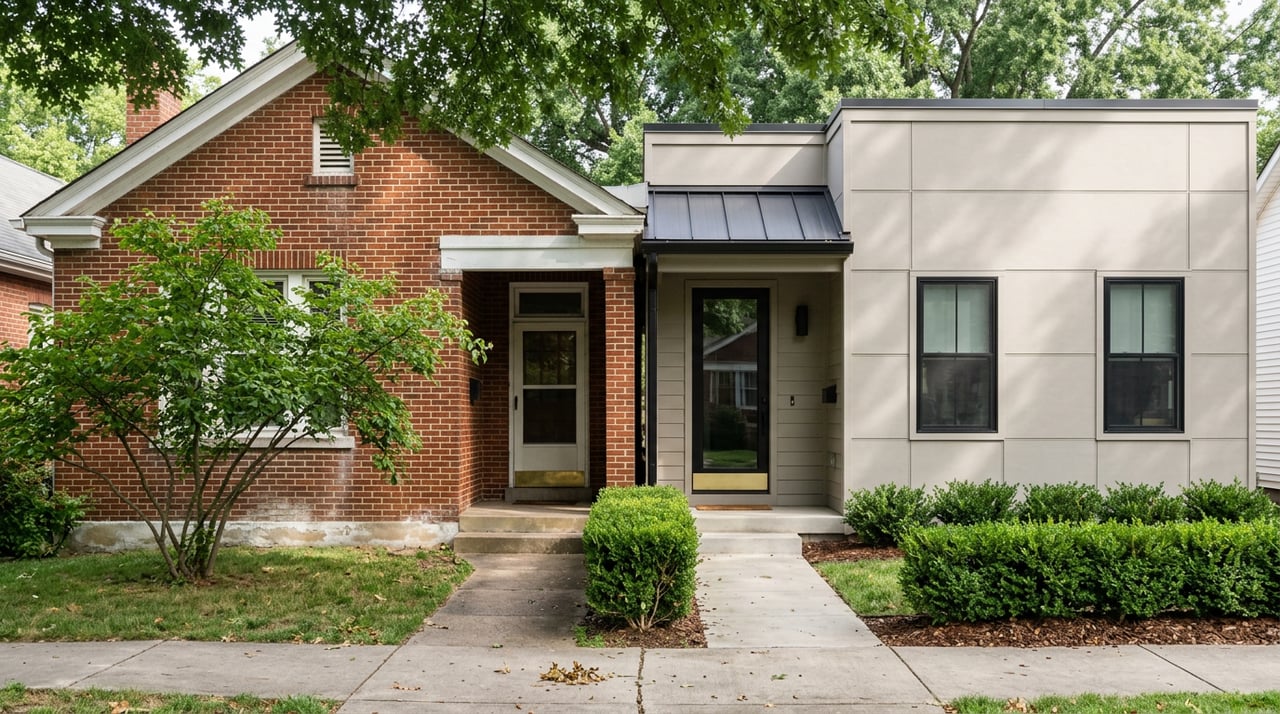
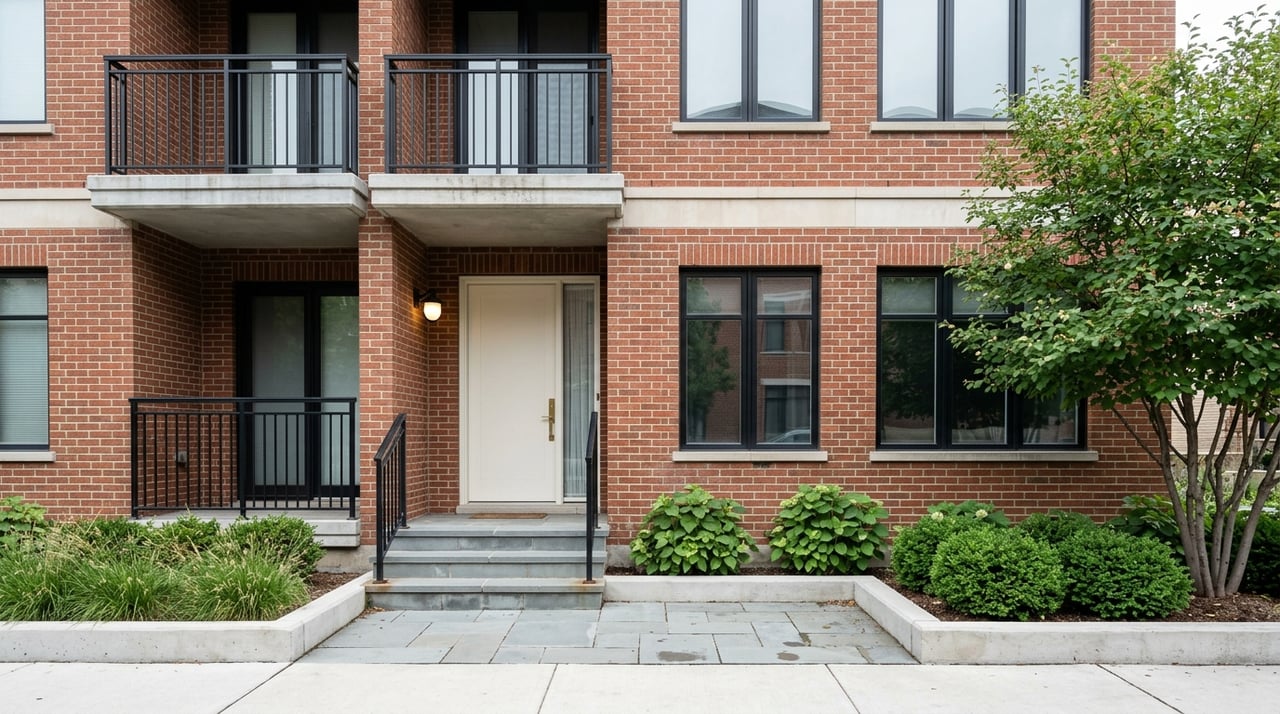
Last December, a four-bedroom, three-and-a-half bathroom home in Arlington's North Highlands neighborhood sold for $1,615,000. Three months later, in March 2026, its next-door neighbor sold too: a five-bedroom, three-and-a-half bathroom duplex, built under Arlington's Expanded Housing Option program, went for $1,610,000.
Five thousand dollars apart. One lot, one house. The other lot, two households.
If you've been house hunting in Arlington and noticed a duplex or a small multi-unit building sitting on a block that otherwise reads as classic single-family, that comparison is worth sitting with. The entire argument for Missing Middle housing in Arlington, the one that got the County Board to rewrite its zoning code in 2023, was that splitting a lot into two or three or six units should make each one more attainable. The first real sales data suggests something messier: the newest multi-unit housing in Arlington isn't landing at a discount. It's landing right next to conventional homes on price, while carrying a legal and financing complication that a conventional home doesn't have.
That's the part worth understanding before you fall for one.
Arlington's Expanded Housing Option, known locally as EHO or Missing Middle, allows by-right construction of up to six housing units on lots that were previously zoned for one single-family home. The County Board passed it unanimously in March 2023. A group of Arlington homeowners sued almost immediately, arguing the county hadn't adequately studied the impact on schools, stormwater, traffic, and tree canopy.
The lawsuit has been through more turns than most zoning fights ever see. A Circuit Court judge voided the ordinance entirely in September 2024, which froze 45 in-progress multifamily projects overnight and left developers holding permits the county said no longer existed. The Virginia Court of Appeals reversed that decision in June 2025, but on a procedural technicality: the trial court, it ruled, should have let an EHO permit holder join the case as a party. That put the ordinance back on the books without ever ruling on whether it's actually valid.
The case isn't finished. In May 2026, the Virginia Supreme Court agreed to review that procedural question, and the plaintiffs' own advocacy group expects the case could go back to trial within three to six months of that decision. Meanwhile, County Board member Susan Cunningham raised the idea of revisiting EHO policy again in July 2026, partly because the current permit cap is set to expire in 2028 and the board will need to decide what comes next regardless of how the court case ends.
In plain terms: as of this writing, EHO permits can be issued again, but the underlying legal question of whether the ordinance holds up has still never been decided on the merits. Anyone buying, building, or lending against one of these properties is doing so inside a policy that a court could still unwind.
Given how long this has dragged on, it's worth being precise about how much of this new housing type even exists yet. As of last fall, only two newly built EHO projects had been completed in Arlington: a duplex in North Highlands and a duplex in Claremont. A third, more ambitious project, a six-unit building at 3802 14th Street North, an 11-minute walk from the Virginia Square Metro station, replaced a century-old house with radiator heat and a bedroom you had to walk through to reach the stairs. That old house sold for $913,000 in 2022 and was assessed at $954,000 in 2024. A conventional teardown-rebuild a block away sold for $1.8 million. Arlington's average new single-family home, per county-level data, sells for around $2.4 million.
Line those numbers up and the six-plex looks like exactly what Missing Middle supporters promised: six households living on a site that used to hold one, at a fraction of what a new $2.4 million single-family home would cost any one of them. But the North Highlands sale tells a different story. When a completed EHO duplex actually sold next to a conventional home, on the same street, in the same season, the prices converged instead of splitting apart.
Two data points aren't a trend. But they are the only two we have, because so few of these homes have been built and sold that there's no larger sample to check them against. That scarcity is itself the story.
Here's the mechanism that doesn't show up in the sale price. During the months the ordinance was voided, permit holders technically still had a partial stay allowing them to continue building. Almost none of them did, because the ongoing litigation made getting financing and title insurance for the properties impractical. Lenders and title insurers didn't want to underwrite a home built under a zoning designation that a judge might retroactively declare never existed.
One Arlington builder, who had already broken ground on two EHO projects when the 2024 ruling hit, described nearly losing everything: liquidating property he'd held since he was 20, taking a second mortgage on his own home, borrowing from family, all while paying roughly $25,000 a month in interest on projects he could neither finish nor sell. Converting one of his subdivided lots back to a single conventional lot, just to get out from under the uncertainty, would have cost him around $300,000 before he could even start building.
That kind of friction doesn't disappear once a project is finished and listed for sale. Appraisers pricing an EHO home have almost no comparable sales to work from, since only a handful exist. Lenders underwriting a buyer's mortgage on one may look more conservatively at the property's resale prospects, given that its zoning basis is still, legally speaking, unsettled at the appellate level. None of this necessarily kills a deal. It does mean the process can move slower, require a larger down payment, or steer a buyer toward a portfolio lender rather than a standard conventional loan, none of which shows up anywhere in the listing price.
| Sale price or value | When | |
|---|---|---|
| North Highlands EHO duplex | $1,610,000 | Sold March 2026 |
| North Highlands conventional home (neighbor) | $1,615,000 | Sold December 2025 |
| Pre-teardown house at 3802 14th St N site | $913,000 (2022 sale), $954,000 (2024 assessment) | 2022 / 2024 |
| Conventional teardown-rebuild, one block away | $1,800,000 | Recent sale |
| Average new single-family home, Arlington | $2,400,000 | County-level average |
If you're weighing Arlington against other parts of Northern Virginia, or weighing a conventional single-family home against a newer duplex or small multi-unit building within Arlington itself, the honest framing isn't "the duplex will save you money." The North Highlands numbers suggest it might not, at least not yet, while the completed inventory stays this thin.
What a Missing Middle home can offer is more interior square footage split across fewer total dollars per household than buying into a $2.4 million new single-family teardown on the same block, along with proximity to Metro corridors that some of these projects, like the 14th Street North six-plex, were specifically sited to take advantage of. What it also comes with, for now, is a longer list of questions worth asking before you write an offer: is the permit under which this home was built still considered valid today, what does the lender's appraisal say about comparable sales, and does your title insurer have any exceptions or exclusions tied to the EHO litigation. A conventional single-family home in the same neighborhood carries none of that overhead.
None of this means Arlington's broader housing math has changed. The county remains land-constrained, transit-adjacent, and in high demand regardless of how this case resolves. But if you're comparing a new duplex to the house next door, don't assume the newer, denser option is automatically the better financial deal. Ask the same questions a lender would ask, and get a second read on the property's legal footing before you get attached to the floor plan.
Does the zoning uncertainty affect homes that were built years ago, or only new EHO construction? It's specific to properties built or being built under the EHO ordinance since 2023. Established Arlington neighborhoods and older housing stock aren't affected by this litigation at all.
Could a court ruling force an existing EHO home to be torn down or changed? That's not the scenario the current case is testing. The dispute concerns whether the county followed proper procedure in adopting the ordinance, not whether individual completed homes could be forcibly altered. But the legal uncertainty is exactly why lenders and title insurers have been cautious.
Is this happening anywhere else in Northern Virginia? A similar Missing Middle challenge is playing out in Charlottesville, and it's a pattern other jurisdictions around the country have faced as they've tried to loosen single-family zoning. Fairfax and other Northern Virginia counties haven't adopted anything comparable to Arlington's EHO ordinance as of this writing.
If you're trying to figure out whether an Arlington duplex, a conventional single-family home, or a different Northern Virginia neighborhood entirely fits what you're actually looking for, that's exactly the kind of question worth working through with someone who tracks these details block by block. Jeni Blessman has spent more than three decades in Northern Virginia real estate and can help you weigh what a property's price actually represents, not just what it lists for. Let's Connect.
Stay up to date on the latest real estate trends.
For me, it's all about connecting the right people with the right property... Sticks & bricks matchmaking! Contact me today to discuss all your real estate needs!